
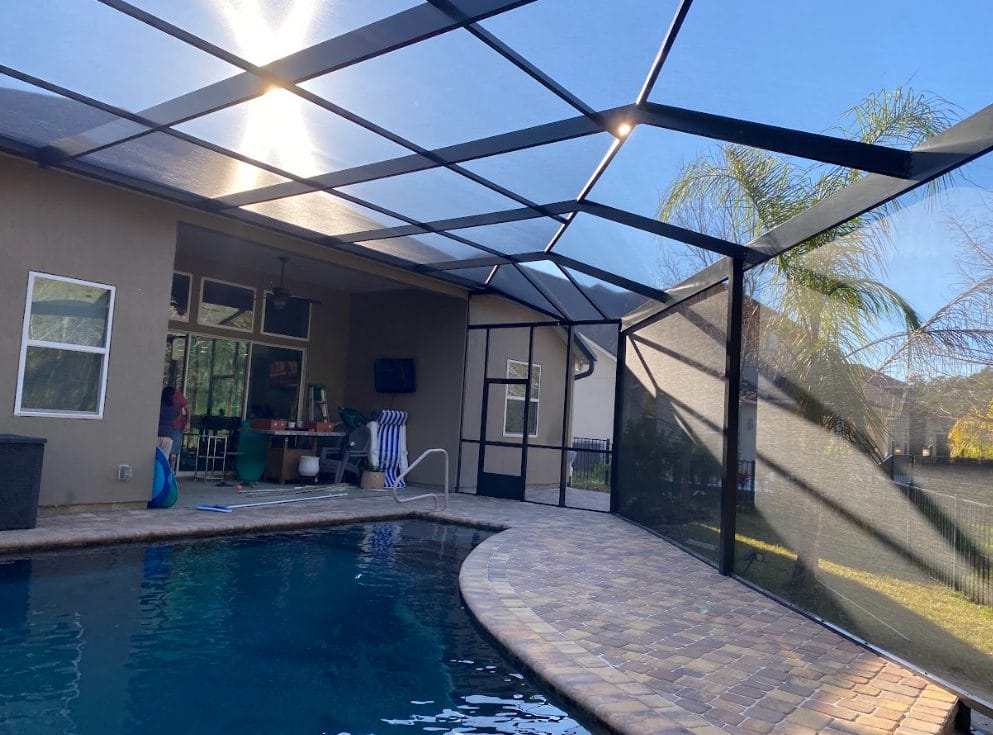
In Jacksonville, having a pool cage is almost a given. It keeps leaves, bugs, and unwanted critters out of your swimming area while making the space feel a little more private and protected. These enclosures are built with metal frames and screen mesh, and while they’re designed to stand up to Florida’s humidity and salt air, they don’t last forever without proper care.
One of the first problems homeowners notice is rust starting to form on the frame. It may appear as a small orange or brown spot in a corner or near a joint. Over time, that little bit of rust can grow into flaky, weakened metal that affects the safety and appearance of the whole structure. The longer it goes unnoticed, the worse it gets. That’s why catching rust early and understanding its causes is important for keeping your enclosure in good shape.
Recognizing Rust Issues
Rust has a way of sneaking up if you’re not actively looking for it. In the early stages, damage can be easy to miss or ignore. But as it spreads, rust becomes more than a cosmetic concern. It can compromise the strength of your pool cage over time.
Here are some clear signs to watch for:
– Orange or reddish patches along joints or base sections
– Bubbling or peeling paint where rust is forming underneath
– Flaky or crumbling metal when touched
– Discoloration or streaks running down from metal bolts or screws
– Weak, rattling parts of the frame, especially after wind or storms
A quick way to check for rust is to walk around the enclosure and take a close look at all connection points and support beams. Don’t forget the underside of top beams and the lower panels near the ground, since those spots collect moisture and tend to rust first. Applying slight pressure on various parts of the frame can also help reveal soft or worn areas that aren’t holding up well.
Spotting rust early makes a major difference. Small repairs are quicker and less expensive, while unchecked rust can eventually lead to structural sagging or even holes in the framing. That turns your backyard retreat into a safety concern.
Causes of Rust in Pool Cages
There’s no real mystery about what causes pool cage frames to rust in Jacksonville. Our location plays a big part. The blend of high humidity, salt air from the ocean, and frequent rainfall creates the perfect environment for corrosion.
Beyond weather, other common contributors to rust include:
– Age – Older frames will naturally show wear and tear. Paint and powder coatings break down over time, making the metal vulnerable.
– Chlorine – Pool water splashing near bolts and joints can lead to corrosion, especially with repeated contact.
– Poor drainage – Standing water around the base or corners gives rust more time to set in and spread.
– Lack of cleaning – Dirt, leaves, and debris trap moisture on the frame, speeding up the rusting process.
We had one homeowner point out that rust was only appearing in one area of their cage. After taking a closer look, we discovered it was right where their sprinkler system was overspraying. Turns out, that consistent moisture exposure was doing more damage than the weather alone.
Knowing what causes rust helps you stay ahead of it. Right now, with winter winding down and spring around the corner, it’s a good time to assess what your enclosure dealt with over the past year. Jacksonville’s warm climate doesn’t slow rust down, so regular check-ins are always helpful.
Preventing Rust in Pool Cage Frames
Once you know what leads to rust, you can take smart steps to prevent it. Because Jacksonville’s salty air and damp conditions are year-round concerns, being proactive makes a big difference in how long your frame will last.
Make rinsing your pool cage part of your home maintenance routine. After storms or extra humid days, use a garden hose to wash down the enclosure. Focus on corners and joint areas where salt and dirt like to gather. Let everything air dry or wipe down areas that stay wetter than others, especially near the bottom of the cage.
Here are some more ways to help prevent rust:
– Apply a protective sealant or rust-inhibiting coating at least once a year. Look for products made for Florida weather.
– Trim surrounding trees and plants to reduce trapped leaves and moisture against the frame.
– Add gutter systems to your enclosure to stop water from collecting along the base.
– Repaint any scratched or chipped sections immediately to prevent rust from developing there.
– Be careful when using chlorine cleaners near the cage. Splashback from cleaning the deck can speed up corrosion.
It’s worth checking the bolts and fasteners, too. Sometimes, different metal parts react with each other and rust at different rates. Replacing lower-quality connectors with stainless steel can prevent future problems and keep staining under control.
These small habits can go a long way. A little effort now means delaying major repairs down the road and keeping your investment looking great.
When to Call Professionals for Rust Issues
Sometimes, rust problems go beyond what a hose and touch-up paint can fix. If your frame feels loose or unstable, or if rust keeps coming back in certain areas, it might be time to bring in a professional.
Signs that you need expert help include:
– The frame shakes or rattles in the wind
– Paint continues to peel even after you’ve treated it
– Rust appears at connection points or welds, which handle key structural stress
– Screen panels are sagging due to bent frame sections
– Repaired areas start to rust again soon after touch-up
A professional can inspect the full structure and identify if the damage is just surface level or something deeper. They can replace weakened frame sections, apply commercial-grade protective treatments, and reinforce the structure to ensure it’s safe and stable.
Jacksonville’s outdoor conditions are hard on metal. If your enclosure hasn’t been looked at in a while or you spot more than light rust, a checkup from a company that understands these problems can make a real difference in avoiding bigger, more expensive repairs.
Keep Jacksonville Rust from Ruining Your Pool Cage
Between ocean breezes, harsh storms, and chlorine buildup, pool cages in Jacksonville face a serious rust risk. But with the right maintenance, you can keep the frame strong and good-looking for many years to come.
Staying on top of it doesn’t take much. A quick monthly check, some rinse-downs after wet weather, and a good sealant can make all the difference. If something feels off or looks worse than usual, don’t ignore it. Catching issues early invites simpler fixes and less expense.
Your outdoor space should always feel like a retreat, no matter the season. Keeping your pool cage frame rust-free helps make that possible, whether you’re relaxing on a sunny afternoon or getting ready for cooler holiday gatherings. Regular care and a little attention go a long way in keeping your patio protected.
To keep your pool cage in top shape, regular maintenance and early detection are key. But when rust becomes more than just a surface issue, professional help makes all the difference. If you’re considering a long-lasting upgrade, explore your options for pool cage installation with The Florida Patio Company. Let us help you enjoy a safer, cleaner, and more beautiful outdoor space all year long.