
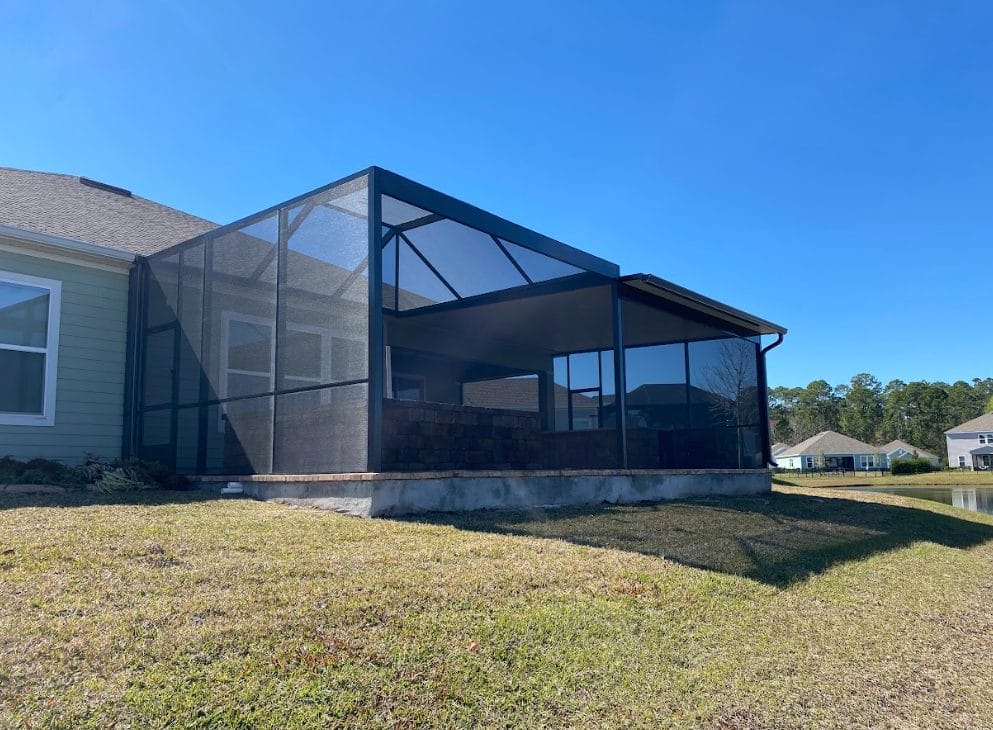
Cold fronts and stormy weather in Jacksonville can sneak up fast during the winter months, and your outdoor space needs to be ready for it. Patio covers give you a cozy way to enjoy the outdoors even when temperatures drop, but they need to be strong enough to handle rough winds and driving rain. If your patio cover isn’t properly reinforced, a winter storm could turn it from an asset into a problem.
Getting ahead of it now can save you stress and money down the line. Whether you’re seeing signs of wear or you’re just being proactive, reinforcing your patio cover now is a smart move. It doesn’t take much for high winds and heavy rainfall to strain weak points. From spotting issues early to choosing the right materials, a few smart changes can go a long way toward keeping your outdoor area safer and more durable when storms hit.
Assessing Your Current Patio Cover
Start with a clear look at what you already have. A patio cover that’s weakened by age or weather can be more of a hazard when winter storms roll in. That’s why the first step is to inspect the structure closely. It doesn’t take any special tools to do a basic check, but knowing what to look for will help guide your next steps.
Some signs you might notice include:
– Cracks or warping in wood
– Rust on joints or metal brackets
– Loose screws or fasteners
– Sagging sections in the roof
– Gaps where panels or beams should connect tightly
Walk the entire space and take notes. Even a small issue like a slightly bent bracket could grow into a bigger problem under pressure from strong winds or heavy rain. Pay close attention to the connection points where the cover meets your home or posts. These links handle most of the stress during storm conditions and are often where the first signs of failure will appear.
If your patio cover has been there a while, or if you don’t know when it was last checked, be extra thorough. Get up on a ladder to look at hard-to-reach spots and corners if it’s safe to do so. If you feel unsure about any of the areas you inspect, flag them for a professional to review. It’s better to catch a potential weak spot now than deal with preventable damage later.
Choosing The Right Materials For Reinforcement
Once you’ve identified areas that might need help, the next step is choosing what to repair or reinforce them with. Storm-ready reinforcement starts with the right materials. Not everything holds up the same in a windy, wet environment like Jacksonville, so your choice of materials matters.
Go for durability over looks in this area. Materials that can handle humidity and withstand impact are your best bet. Some good options include:
– Aluminum: Lightweight and rust-resistant, great for frame support and brackets
– Pressure-treated wood: Treated to resist decay and bugs, works well in humid climates
– Stainless steel hardware: Stronger than standard steel and resists rust
– Polycarbonate roofing panels: Tough against impact and helps drain water effectively
Choosing the correct products to match your existing structure is key. You don’t want to combine wood and metal in ways that cause corrosion later. If your patio cover is made of wood, stick with compatible reinforcements and sealers. If it’s made of aluminum or vinyl, look for materials made to complement those systems.
Reinforcing is about adding strength without making the structure too rigid or too heavy. Try to keep the weight balanced across the frame and ensure water can still drain off the roof easily. A reinforced patio cover doesn’t just look stronger. It holds up better under tough weather and stands the test of time.
Practical Reinforcement Techniques
Once you know which areas need extra support and you’ve chosen your materials, it’s time to tackle the next step: reinforcing the structure itself. This doesn’t mean rebuilding from scratch. A few smart adjustments can make a real difference when bad weather hits.
Start with the base. If your support posts are wobbly or appear loose in the ground, they should be re-secured with concrete or anchoring brackets. From there, focus on horizontal support. Add crossbeams between existing posts to form a more connected and stable frame. These extra pieces help the structure distribute the wind’s force more evenly.
Make sure hardware isn’t an afterthought. Replace weak or undersized screws, bolts, or nails with stronger options, preferably made of stainless steel. This improves grip without corroding over time. Reinforce joints with metal brackets or corner braces, especially at points that bear extra weight from the cover.
Roof panels should also be checked and fastened securely. If there’s any give or if water tends to pool in spots, it could mean the structure needs better slope or drainage. Apply sealant along seams and any new screw locations to keep moisture out of the wood or framing material.
All changes should help support the structure against both uplift from wind and pressure from rain. For example, adding support to the middle frame of a sagging 12×12 patio cover helped one Jacksonville homeowner keep their patio dry and protected this past January. It’s usually these middle areas that take the most stress, so don’t skip over them during updates.
Hiring Professional Help for Patio Cover Installation in Jacksonville
Even the best home inspections can miss things. That’s where professional help matters most. Pros who work in your area know what Florida weather demands from outdoor structures. They’re also able to spot concerns that might not be obvious at first glance, like hidden damage where beams meet walls or tiny shifts in the foundation that make things uneven.
Contractors experienced in patio cover installation in Jacksonville can offer guidance as you pick out materials and come up with a plan. A good one will recommend improvements that suit your space and your existing structure without pushing anything you don’t really need.
When choosing a contractor, ask these questions:
– Are they licensed and insured in Florida
– Do they have experience with patio covers specifically
– Can you see recent jobs they’ve completed in Jacksonville
– Will they handle permits if required
– Do they explain how reinforcements will be done and why
Don’t base your decision on price alone. The right installer should make the process clear, show up on time, and communicate throughout the job. Quality work on your patio cover sets the tone for how well your whole outdoor area handles weather year-round.
Staying Safe During Storms
Once your patio cover is stronger, the next part is keeping everything else around it safe too. Strong winds and water can shift or even lift loose items on your patio. That pressure transfers to the cover, especially if furniture crashes into supports during a storm.
Here’s a checklist of things to do when a storm is expected:
– Remove lightweight chairs or tables and bring them inside
– Fold up umbrellas and shade sails to avoid wind resistance
– Secure any grills with straps if you can’t move them
– Tie down or store smaller decorations and potted plants
– Check that gutter systems nearby are clear so water drains properly
Winter storms in Jacksonville often bring steady rain with short bursts of high winds. If there’s a cover over your patio, make sure water isn’t collecting in corners or washing up against the foundation. Any standing water around anchor points can weaken the hold over time.
It’s also smart to have your electrical setups checked before storm season. If you’ve got lighting or fans on your covered patio, make sure their wires and connections are safe from moisture. Winter isn’t the time you want to deal with avoidable surprises in the middle of bad weather.
Keep Your Patio Cover Strong All Season
Reinforcing your patio cover is a one-time job, but keeping it in good shape takes routine upkeep. Just like changing filters in your AC or trimming trees during hurricane season, checking on your cover a few times a year can make all the difference.
Set reminders to assess your patio cover every few months. After every big storm, step outside and take a slow walk around the structure. Look for new cracks, check that fasteners are still tight, and clear away any debris that’s built up near the base or in drainage areas.
If something seems off, don’t wait until the next storm rolls in. Small signs of trouble today can lead to bigger issues when wind and rain return. Whether it’s shifting support posts, a leaky seam, or tired hardware, there’s usually a straightforward fix that can help extend your patio’s life.
Winter storms in Jacksonville might not bring snow, but the rain, wind, and damp air all bring their own kind of wear and tear. A solid structure with the right reinforcements stands a better chance of keeping your outdoor space a place you can enjoy even when weather conditions aren’t ideal. Let preparation be your first defense instead of cleanup. A few smart steps now give you peace of mind for seasons to come.
To keep your outdoor space ready for anything Jacksonville’s weather throws your way, consider the advantages of professional assistance. With expert patio cover installation in Jacksonville, The Florida Patio Company ensures your space stays protected and comfortable through every season. Let us help you build an outdoor area that lasts, no matter the forecast.